
Pattullo Bridge Replacement
This project is a major transportation infrastructure initiative that will replace the existing Pattullo Bridge, originally constructed in 1937, with a new four-lane crossing connecting New Westminster and Surrey. Given the bridge’s location within a highly dynamic reach of the Fraser River, the project required extensive hydrotechnical investigations to understand and manage the complex interactions between river hydraulics, sediment transport, scour, tidal influences, and adjacent infrastructure. NHC provided hydrotechnical support throughout project planning, design, procurement, construction, and monitoring phases.
BC Ministry of Transportation and Transit
Streams & Rivers
Lower Mainland, British Columbia
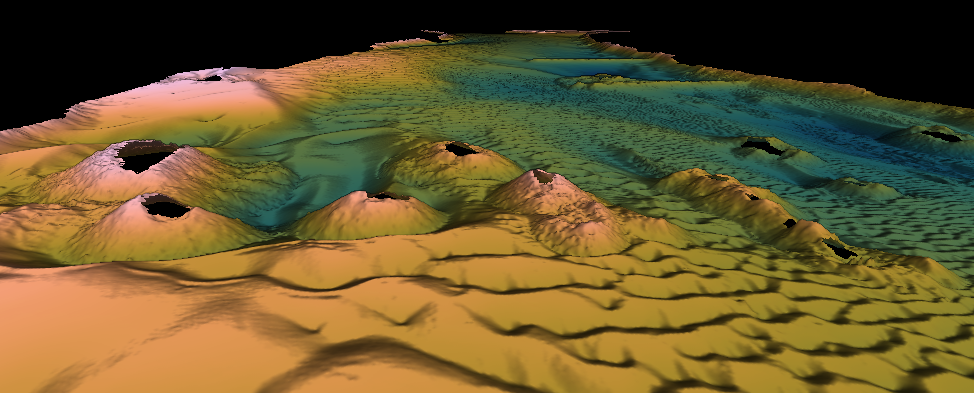
NHC’s involvement began in 2016 as a hydrotechnical subconsultant supporting the reference concept design and evaluating potential river impacts associated with the proposed bridge replacement. The team developed and applied a combination of numerical modelling and a large-scale 1:80 physical hydraulic model to assess river behaviour and predict potential impacts on channel morphology, sedimentation patterns, and scour around bridge foundations. The physical model represented approximately two kilometres of the Fraser River centred on the bridge crossing and was used to evaluate conditions before construction, during construction, post-construction, and under long-term operating scenarios.
The complexity of the site stems from the interaction of tidal influences, sediment transport processes, channel geometry, and the proximity of the SkyTrain Bridge and New Westminster Rail Bridge. Physical modelling provided critical insight into riverbed response and sediment dynamics that could not be fully represented through numerical methods alone. NHC used the results of both physical and numerical modelling, combined with extensive Fraser River experience, to develop recommendations regarding bridge design, construction staging, scour protection, and long-term river performance.
As the project advanced, NHC was retained directly by the British Columbia Ministry of Transportation and Transit to provide ongoing hydraulic advisory services and river monitoring. Responsibilities included support for procurement and contract implementation, review of hydraulic design submissions, permitting support, construction advisory services, and technical evaluations of the Design-Build-Finance contractor’s hydraulic analyses and designs.
To support risk management during construction and long-term operation, NHC implemented an extensive river monitoring program that included monthly bathymetric surveys, monthly photographic monitoring, biannual side-scan sonar surveys of bridge piers, and biannual Acoustic Doppler Current Profiler measurements. These programs provided detailed information on riverbed change, scour development, sediment movement, and hydraulic conditions throughout the duration of the project.
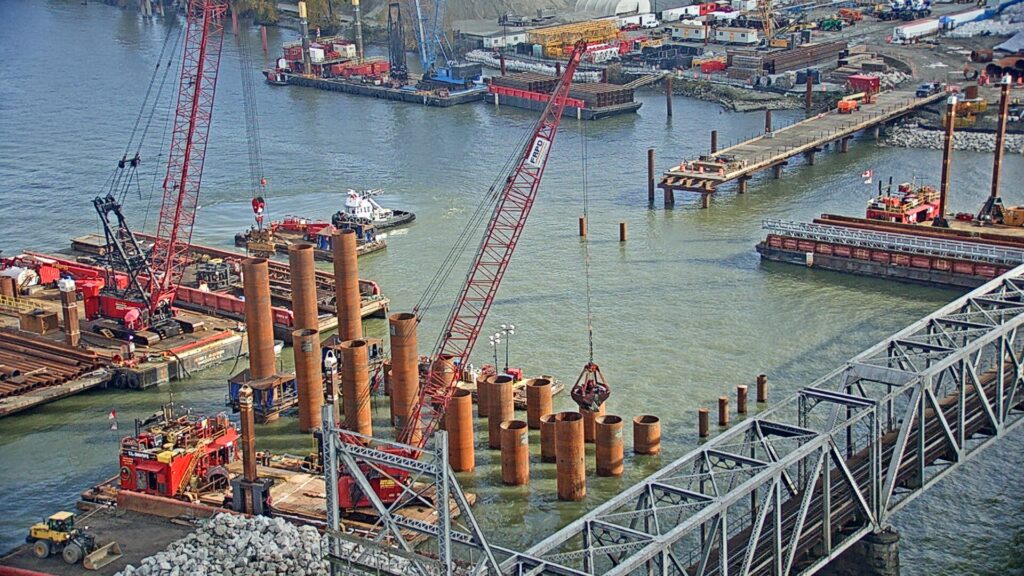
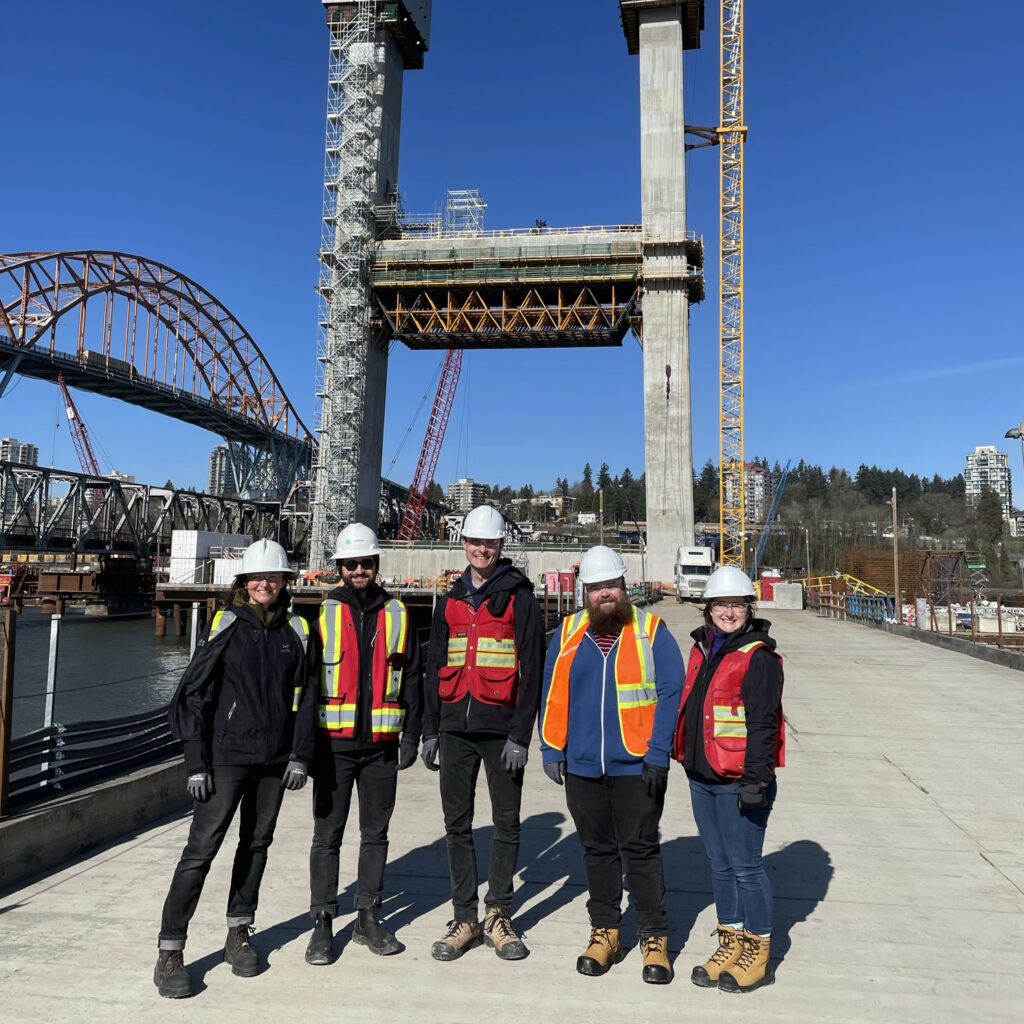
Delivered comprehensive hydraulic modelling, physical modelling, monitoring, and advisory services that improved understanding of river behaviour, reduced uncertainty related to scour and sedimentation, supported design and construction decisions, and helped ensure the long-term performance of a critical transportation crossing on the Fraser River.