NWT Ice Jam Flood Mapping Guidelines
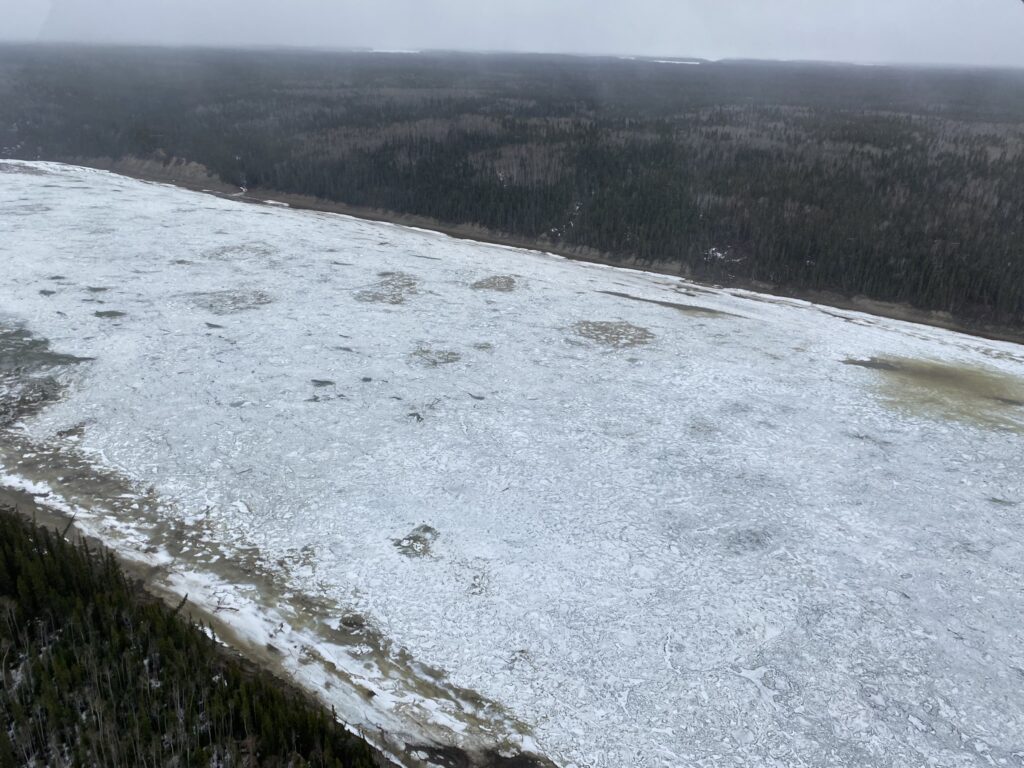
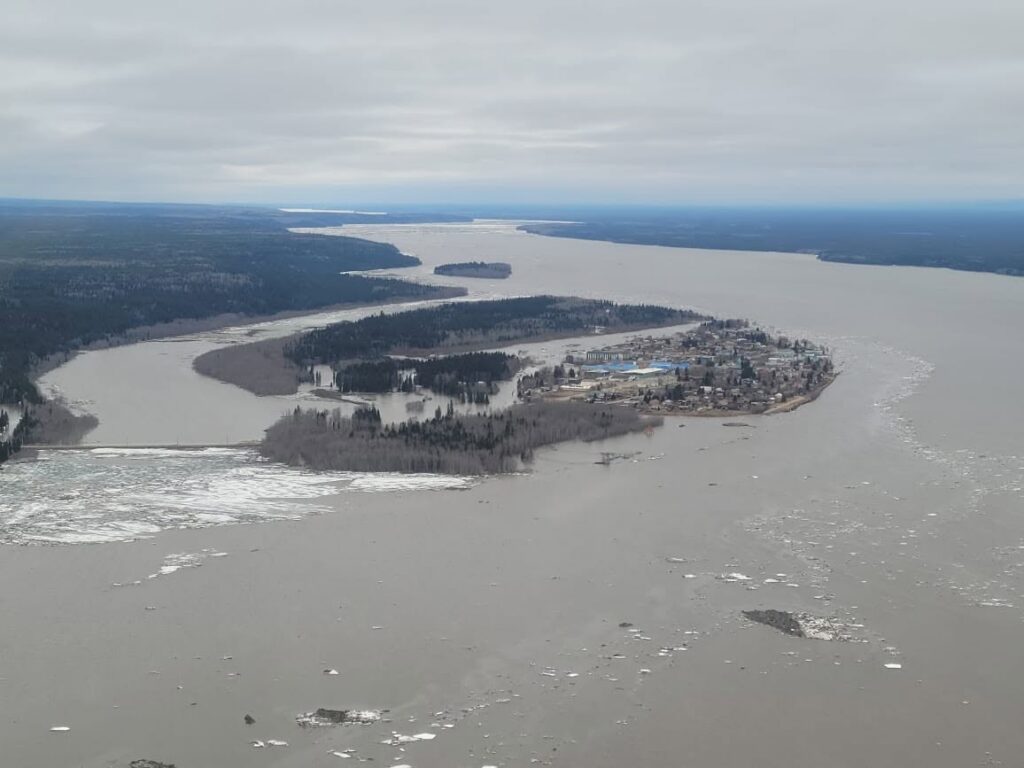
The project was initiated after significant ice jam flooding was experienced in several communities in 2021; severe ice jam flooding was experienced again in 2022 at the outset of the project. These recent flood events emphasized the need for planning guidance to help prepare for future ice jam floods. Guidance on ice jam flood mapping in Canada was sparse and so Natural Resources Canada in partnership with the Government of Northwest Territories through the Flood Hazard Identification and Mapping Program (FHIMP) retained NHC to fulfill this need.
Natural Resources Canada
Government of the Northwest Territories
Streams & Rivers
Northwest Territories
The Northwest Territories Ice Jam Flood Mapping Guidelines is the first comprehensive set of guidelines for ice jam flooding in Canada. It provides guidance to program authorities and practitioners on methodologies to produce inundation, hazard and risk flood maps for communities that are subject to ice jam flooding. They are applicable for communities with little to no data as well as communities where data is abundant.
The recommended methodology is organized into project components, including: data collection, review, and assessment; flood hydrology; flood hydraulics; flood mapping; and climate change considerations. The guidelines recommend integration of climate change considerations at all project stages.
These guidelines are available online through the NWT Water Stewardship (Ice Jam Flood Mapping Guideline | NWT Water Stewardship) and complement the Canada’s Federal Flood Mapping Guidelines Series (FFMGS). The Government of the Northwest Territories’ Flood Mapping page (Flood Mapping | Environment and Climate Change) contains more information on flood mapping in the NWT, including flood maps and reports developed by NHC.
Developed a standardized approach to ice jam flood mapping that strengthens flood risk management, supports informed planning decisions, and helps northern communities prepare for the impacts of increasing flooding and climate change.